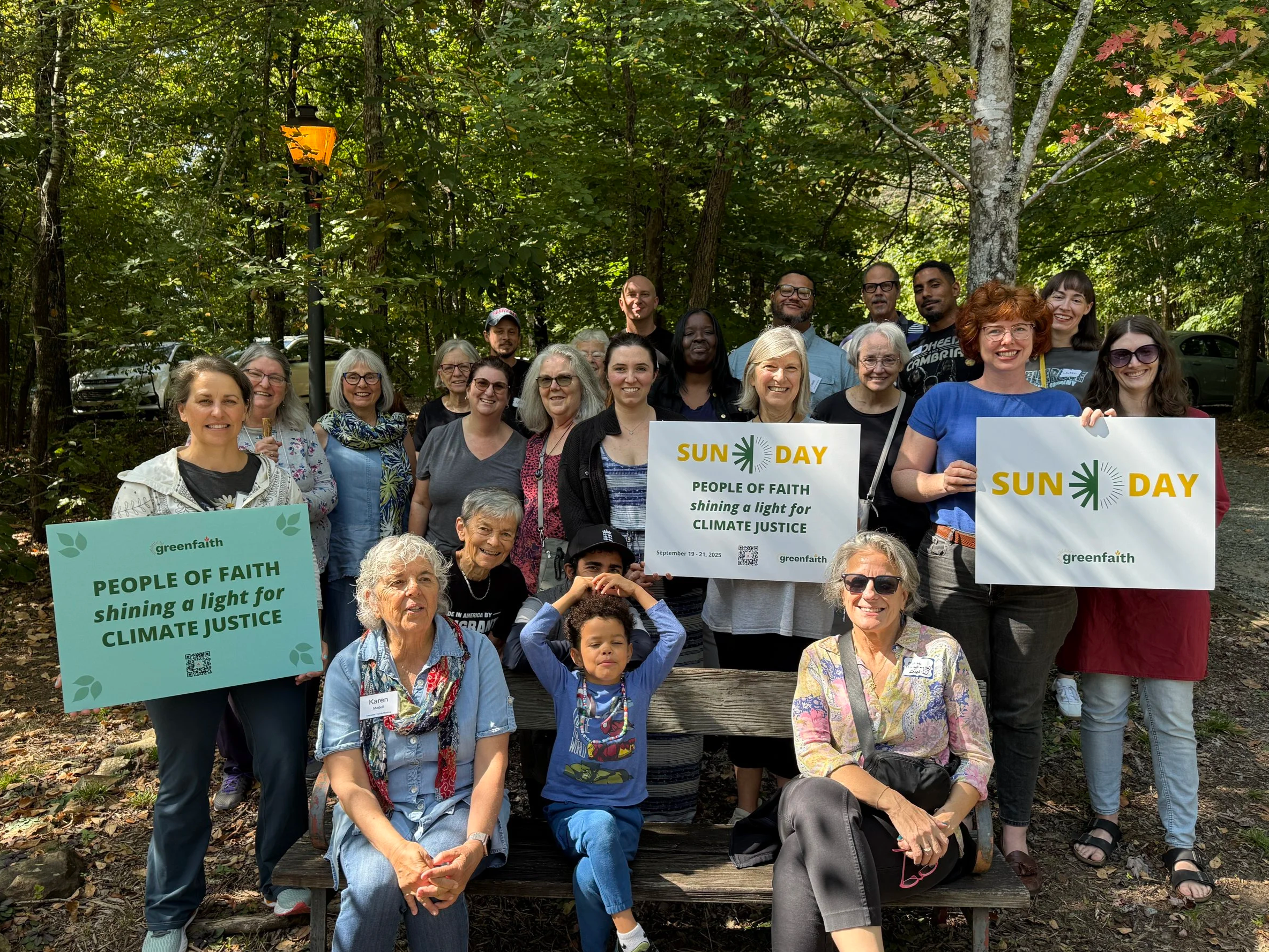
Who we are…
At Charlotte Friends Meeting we consider ourselves to be spiritual seekers. Guidance for our individual and collective life journeys is expressed in the form of Quaker testimonies on simplicity, peace, integrity, community, equality, and stewardship. Quakerism is a religion of experience; a contemporary, simple, and radical faith.
The Religious Society of Friends began in the 17th century in England. Today, over 81,000 Quakers live and worship in the United States and Canada. We believe that every person has the Divine Spirit within them. Quakers are of all ages, education backgrounds, races, sexual orientations, gender identities, abilities, and classes. Everyone is welcome among Friends.
Common Questions:
What do Quakers believe? - We believe that every person is loved and guided by God. Broadly speaking, we affirm that “there is that of God in everyone.” Everyone is known by God and can know God in a direct relationship. We are called to attend to this relationship and to be guided by it. Quakers use many words to describe the Divine. Some of them include: God, the Light Within, Christ, Spirit, Seed, and Inward Teacher.
Do Quakers believe in Jesus? - Quakerism is a way of life, rather than a set of beliefs. It has roots in Christianity and many Quakers find the life and teachings of Jesus inspirational, but we have no creed.
Quaker and the American Revolution Forum Presentation by Shelia B. on July 5, 2026
Quaker Links:
Friends General Conference (FGC) - fgcquaker.org
Piedmont Friends Yearly Meeting (PFYM) - PFYM link
American Friends Service Committee (AFSC) - afsc.org
Quaker EarthCare Witness (QEW) - quakerearthcare.org
Quaker House - quakerhouse.org
Quaker Testimonies:
Testimonies are ways that Quakers have found to express our experience of the Divine in our lives.
Simplicity - Focusing on what is truly important and distinguishing between genuine needs and material wants.
Peace - Seeking nonviolent solutions, avoiding coercion, and actively working to relieve the suffering caused by war and conflict.
Integrity - Living truthfully, acting in alignment with one's moral and spiritual beliefs, and being honest in all dealings.
Community - Supporting one another, sharing burdens, and recognizing the interconnectedness of people within the group and the wider world.
Equality - Believing that there is "that of God in every person," which means treating all human beings with equal dignity and respect.
Stewardship - Caring responsibly for the Earth, its resources, and all creation for future generations.